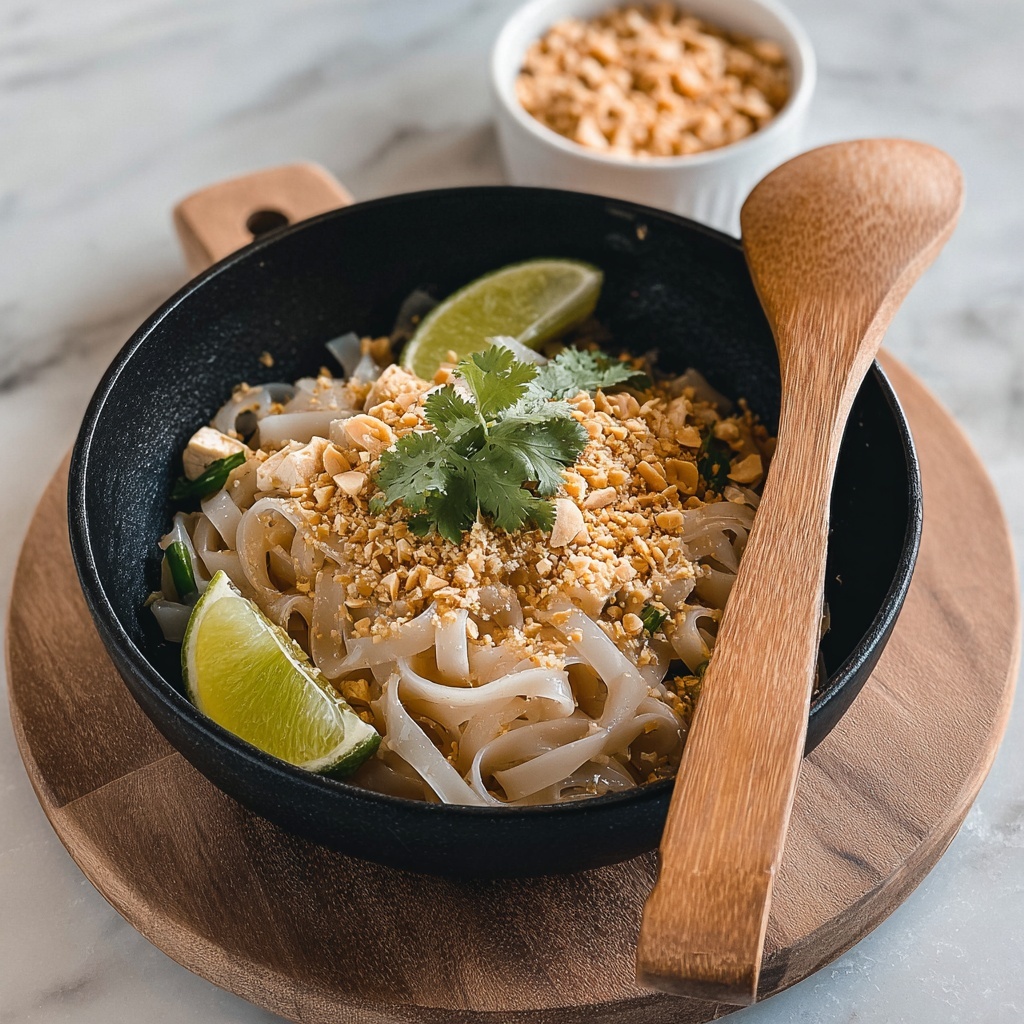
If you are craving a vibrant, flavorful dish that bursts with a harmony of tastes and textures, this Vegetable Pad Thai Recipe is your ticket to a satisfying meal. It combines the chewy delight of flat rice noodles with the fresh crunch of mixed vegetables and the savory depth of tofu, all tied together by a tangy tamarind and lime dressing with a gentle kick of chili. This dish is a celebration of colors, balance, and nourishing ingredients, making it a fantastic choice whether you’re a longtime fan of Thai cuisine or looking to try something new and deliciously wholesome.
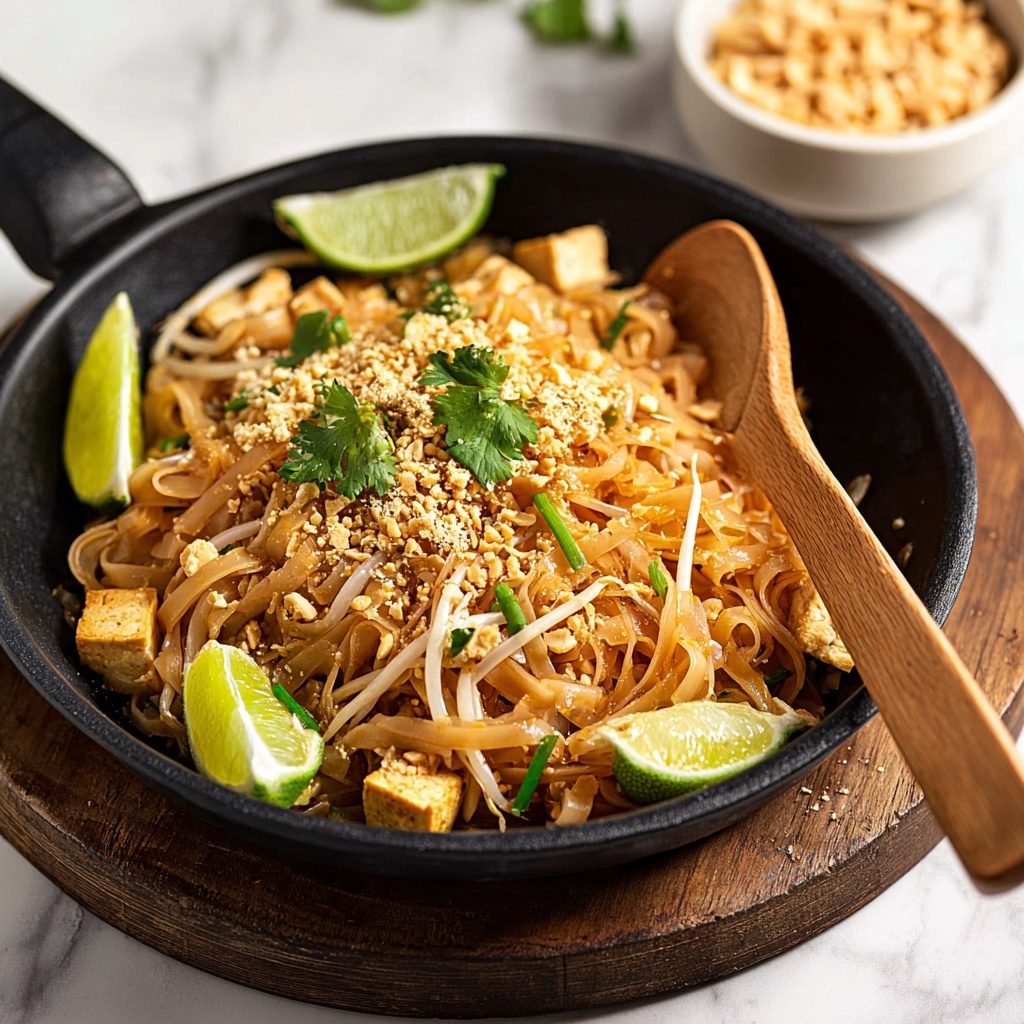
Ingredients You’ll Need
Gathering the ingredients for this Vegetable Pad Thai Recipe is straightforward, and each one plays a unique role in building the final flavor and texture. From the noodles that provide a satisfying base, to the tofu adding protein and heartiness, and the fresh vegetables giving crunch and color, every item is essential and simple to source.
- Flat rice noodles (8 oz): These classic noodles soak up sauce beautifully and offer the traditional chewy bite essential to Pad Thai.
- Mixed vegetables (2 cups): A colorful combination of bell peppers, carrots, and bean sprouts offers crunch and freshness, making this dish bright and lively.
- Green onions (4, sliced thin): They add a delicate onion flavor and vibrant color, finished raw for a bit of sharpness.
- Firm tofu (1 cup, pressed and cubed): Pressing removes excess moisture so it crisps up nicely when cooked, adding satisfying texture and protein.
- Peanuts (1/4 cup, roughly chopped): These provide a salty, crunchy contrast that is truly a hallmark of authentic Pad Thai.
- Low-sodium soy sauce (3 tbsp): It delivers umami and saltiness, balancing other ingredients without overpowering them.
- Tamarind paste (2 tbsp): This adds a pleasantly tart depth that’s signature to Pad Thai’s tangy flavor.
- Lime juice (2 tbsp): Fresh lime juice brightens the whole dish with citrus zing.
- Chili powder (1/2 tsp): Use this to add subtle heat that awakens the flavors without overwhelming them.
How to Make Vegetable Pad Thai Recipe
Step 1: Soften the Rice Noodles
Start by soaking the flat rice noodles in warm water for about 20 minutes. This step is essential to achieve the perfect tender yet slightly chewy texture in the final dish while preventing the noodles from sticking together during cooking.
Step 2: Cook the Tofu Until Golden
Heat a large skillet over medium-high heat and sauté the pressed tofu cubes in a little oil until each piece turns golden brown and develops a crisp exterior. This technique transforms the tofu into a delightful textural element that adds substance and balances the softness of the noodles.
Step 3: Stir-Fry the Vegetables
Using the same skillet, quickly stir-fry your mixed vegetables until just tender but still vibrant and crisp—usually 3 to 5 minutes. This keeps the vegetables fresh, colorful, and packed with nutrients while contributing a satisfying crunch to the recipe.
Step 4: Combine Noodles and Sauce
Add the soaked noodles to the skillet along with the soy sauce, tamarind paste, lime juice, and chili powder. Toss everything gently for about 3 minutes, allowing the noodles to soak up the tangy, savory, and slightly spicy sauce, ensuring every bite is full of flavor.
Step 5: Add Peanuts and Green Onions
Finally, sprinkle the chopped peanuts and thinly sliced green onions over the top and mix lightly. These finishing touches bring that nutty richness and fresh brightness that make the Vegetable Pad Thai Recipe truly stand out.
Step 6: Serve Hot and Fresh
Serve this dish immediately while it’s warm and the textures are at their peak. The fresh lime and crunchy peanuts offer a lovely contrast to the soft noodles and tofu, creating a perfectly balanced meal.
How to Serve Vegetable Pad Thai Recipe
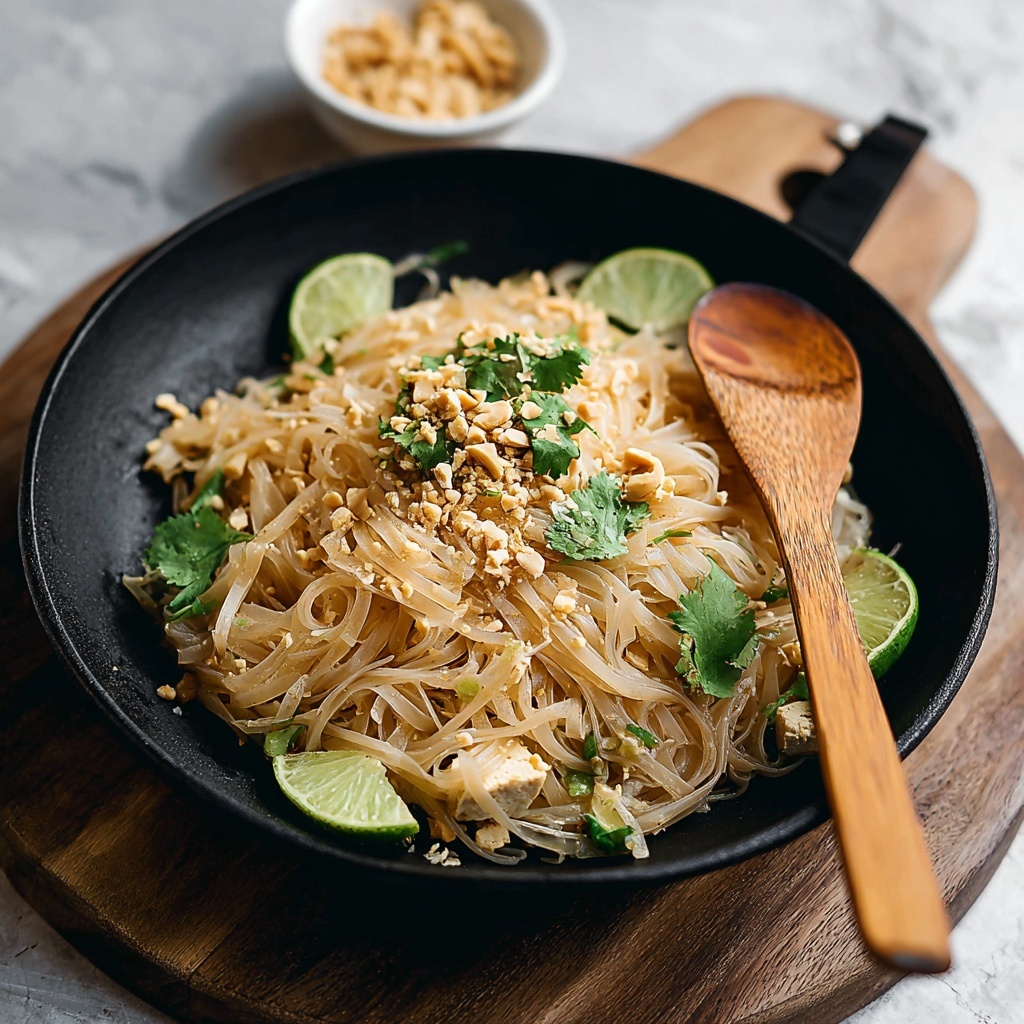
Garnishes
Garnishing your Vegetable Pad Thai Recipe with extra chopped peanuts and lime wedges amps up the dish’s flavor and presentation. The peanuts add crunch and a toasty note, while the fresh lime wedges allow each eater to add a citrus burst to their liking.
Side Dishes
Pair your Vegetable Pad Thai with a simple cucumber salad or a light miso soup to keep things fresh and refreshing alongside the comforting noodles. These sides complement the rich, tangy flavors and provide a well-rounded meal experience.
Creative Ways to Present
For an eye-catching presentation, serve the Vegetable Pad Thai in a warmed banana leaf or a deep bowl lined with fresh herbs like cilantro and Thai basil. Not only does this add an authentic vibe, but it also enhances the aroma and visual appeal, making your meal feel special and festive.
Make Ahead and Storage
Storing Leftovers
If you have any leftovers from your Vegetable Pad Thai Recipe, store them in an airtight container in the refrigerator. They will keep well for up to 2 days. Keep in mind the noodles may absorb more sauce over time, intensifying the flavors.
Freezing
While you can freeze Vegetable Pad Thai, it’s best to do so without the peanuts and green onions, as their texture changes after freezing. Freeze the noodles, tofu, and vegetables in a suitable container for up to 1 month, then thaw overnight in the fridge before reheating.
Reheating
Reheat your leftovers gently in a pan over medium heat, adding a splash of water or lime juice to loosen the sauce if needed. Avoid microwaving at high heat to prevent the noodles from drying out, and add fresh peanuts and green onions after reheating for added crunch.
FAQs
Can I use other proteins instead of tofu in this Vegetable Pad Thai Recipe?
Absolutely! You can swap tofu for shrimp, chicken, or even tempeh. Just make sure to adjust cooking times so your protein is fully cooked and complements the vegetables and noodles.
Is tamarind paste essential in this recipe?
Tamarind paste provides the signature tangy flavor in Pad Thai, but if you can’t find it, a mix of equal parts lime juice and a bit of brown sugar can serve as a substitute, although the flavor profile will be slightly different.
Can I make this recipe gluten-free?
Yes! Use gluten-free soy sauce or tamari and double-check your tamarind paste to ensure all ingredients are gluten-free. The rice noodles are naturally gluten-free, making this dish suitable for those avoiding gluten.
What vegetables work best in Vegetable Pad Thai Recipe?
Bell peppers, carrots, and bean sprouts are traditional and chosen for their balance of sweetness and crunch, but feel free to add snap peas, shredded cabbage, or baby corn based on what you have on hand.
How spicy is this recipe, and can I adjust the heat?
This recipe has a mild to moderate spice level from the chili powder, which you can easily adjust. Add more if you like it fiery hot or omit it for a milder, family-friendly dish.
Final Thoughts
There is something incredibly comforting and exciting about making your own Vegetable Pad Thai Recipe at home. It’s a dish that’s not only packed with vibrant flavors and textures but also adaptable to your preferences and schedule. Whether you’re cooking for a busy weeknight or impressing friends with your Thai cuisine skills, this recipe is sure to become a well-loved favorite on your menu. Give it a go and enjoy every delicious bite!
Print
Vegetable Pad Thai Recipe
- Prep Time: 10 minutes
- Cook Time: 25 minutes
- Total Time: 35 minutes
- Yield: 4 servings
- Category: Main Dish
- Method: Stovetop
- Cuisine: Thai
- Diet: Vegetarian
Description
A vibrant and healthy Vegetable Pad Thai featuring flat rice noodles, crisp mixed vegetables, and golden tofu cubes, tossed in a tangy tamarind-lime sauce and garnished with crunchy peanuts and fresh green onions. This easy-to-make stir-fried dish offers authentic flavors with a nutritious twist, perfect for a satisfying vegetarian meal.
Ingredients
Noodles
- 8 oz flat rice noodles
Vegetables and Protein
- 2 cups mixed vegetables (bell peppers, carrots, bean sprouts)
- 4 green onions (sliced thin)
- 1 cup firm tofu (pressed and cubed)
Sauce and Garnish
- 1/4 cup peanuts (roughly chopped)
- 3 tbsp low-sodium soy sauce
- 2 tbsp tamarind paste
- 2 tbsp lime juice
- 1/2 tsp chili powder
Instructions
- Soak Noodles: Soak the 8 oz of flat rice noodles in warm water for 20 minutes until they become soft and pliable. Once softened, drain the noodles thoroughly to prepare them for cooking.
- Sauté Tofu: Heat a large skillet over medium-high heat with a little oil. Add the pressed and cubed firm tofu and sauté it until each side is golden brown and slightly crispy, about 5 to 7 minutes. Remove tofu from skillet and set aside.
- Stir-fry Vegetables: Using the same skillet, stir-fry the mixed vegetables—which include bell peppers, carrots, and bean sprouts—until they are tender but still retain a fresh crispness, about 3 to 5 minutes.
- Add Noodles and Sauce: Return the soaked noodles to the skillet along with the soy sauce, tamarind paste, lime juice, and chili powder. Toss all ingredients gently for about 3 minutes to evenly coat the noodles and vegetables with the flavorful sauce.
- Garnish and Mix: Sprinkle the chopped peanuts and thinly sliced green onions over the pad thai, mixing lightly to combine without losing the crunch.
- Serve: Serve the vegetable pad thai hot, optionally garnished with extra peanuts or lime wedges on the side to add more zest and texture as desired.
Notes
- Pressing the tofu before cooking helps it crisp up better and reduces moisture.
- Adjust chili powder quantity to your spice preference for milder or spicier pad thai.
- Use fresh tamarind paste for authentic sweetness and tanginess in the sauce.
- Rice noodles should not be over-soaked to avoid becoming mushy during stir-frying.
- Serve immediately for the best texture and flavor.