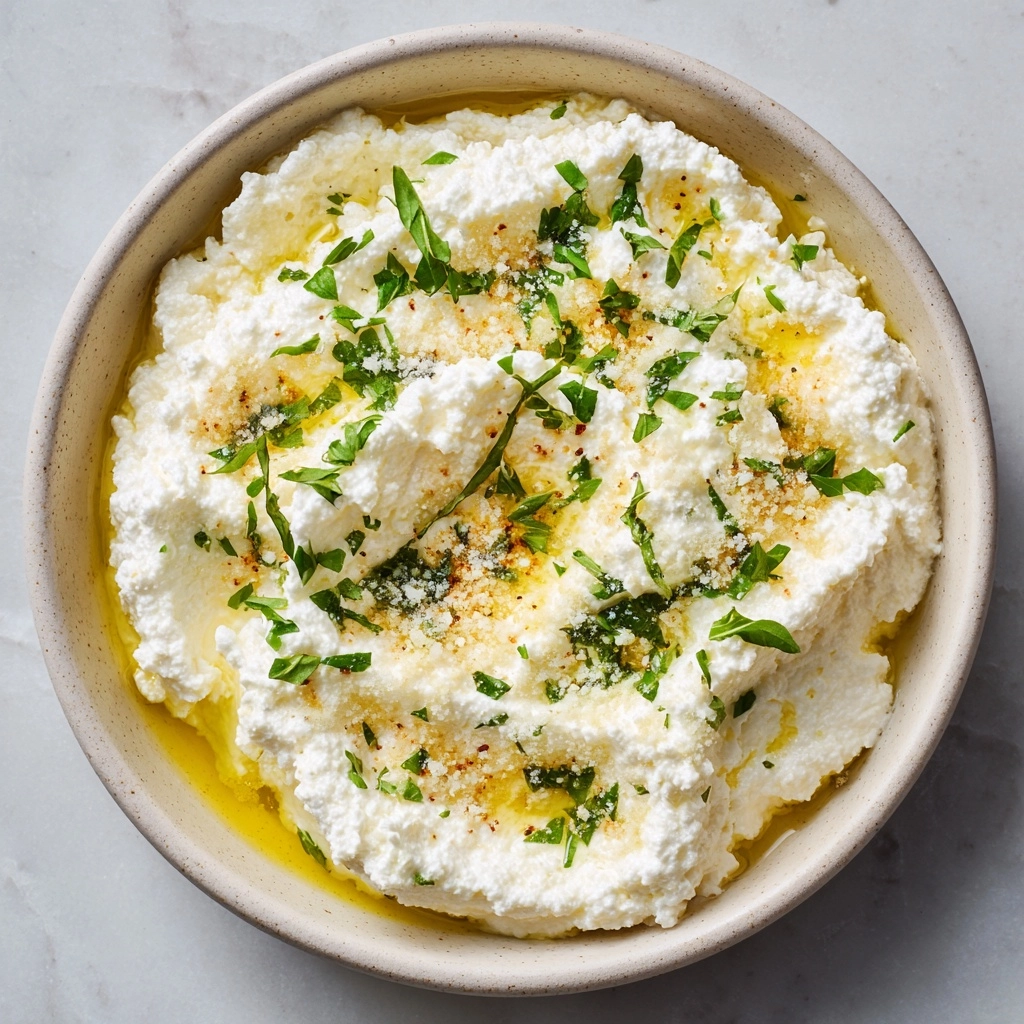
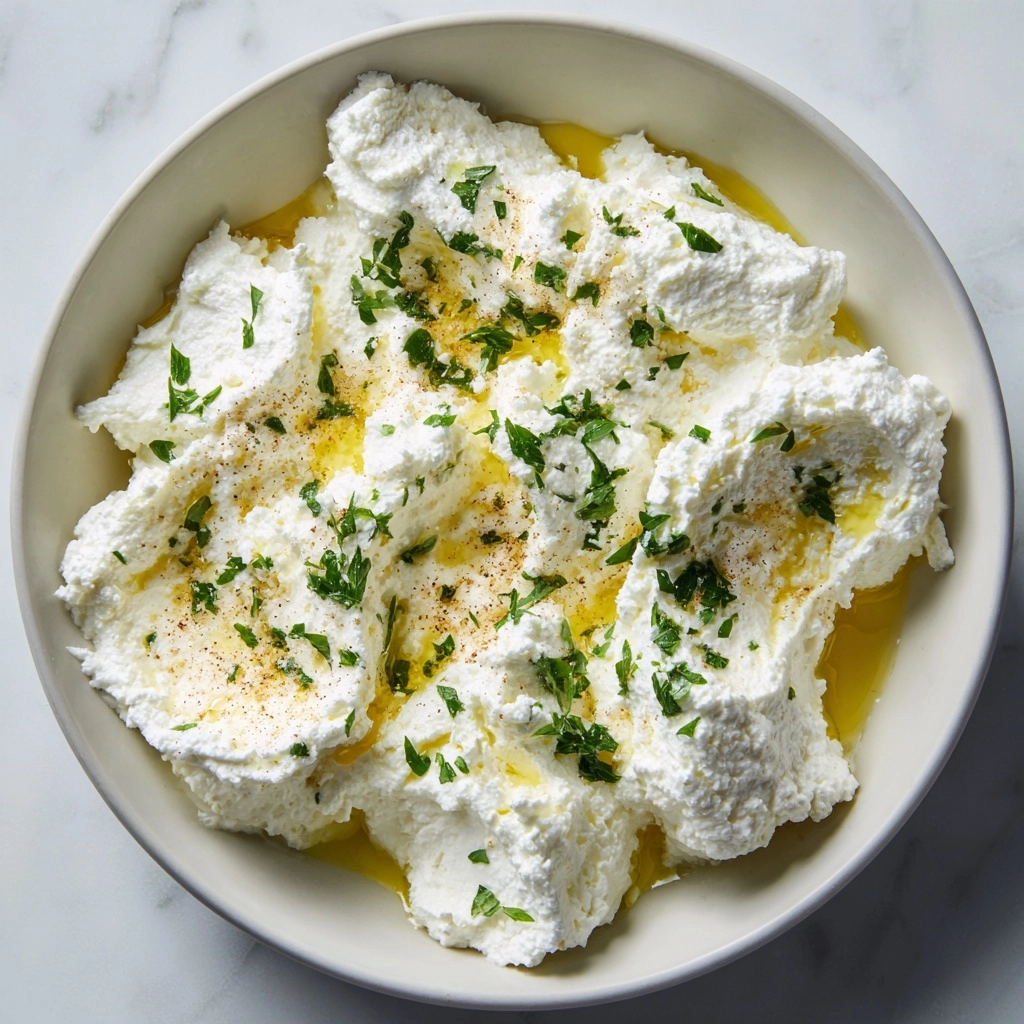
If you have ever dreamed of making your own fresh cheese at home, this is the moment to get excited. This Sicilian Homemade Ricotta Cheese Recipe captures the essence of traditional Italian cooking with just a handful of simple, pure ingredients. Creamy, fresh, and wonderfully mild, this ricotta brings a beautiful richness and delicate texture that transforms pasta, desserts, and appetizers alike. Making ricotta yourself is not only satisfying but also instantly elevates your dishes with authentic homemade goodness that store-bought simply cannot match.
Ingredients You’ll Need
These ingredients are straightforward and pantry-friendly, each playing a crucial role in forming the perfect ricotta curds — from creamy texture and subtle tang to the ideal seasoning balance.
- 8 cups whole milk: The base of your ricotta, providing richness and body for creamy curds.
- 1 cup heavy cream: Adds extra lusciousness and smoothness to the cheese.
- 1 teaspoon salt: Enhances flavor without overpowering the delicate taste.
- 3 tablespoons fresh lemon juice (or white vinegar): The gentle acid that curdles the milk, forming those beautiful ricotta curds.
How to Make This Sicilian Homemade Ricotta Cheese Recipe
Step 1: Gently Heat the Milk Mixture
Begin by combining whole milk, heavy cream, and salt in a large, heavy-bottomed pot. Heat over medium, stirring occasionally to prevent scorching. Monitor the temperature carefully — you’re aiming for 190°F, just before boiling point. This gentle warming process is key to developing the milk’s structure for perfect curd formation.
Step 2: Add the Acid to Form Curds
Remove the pot from the heat and slowly drizzle in your lemon juice or vinegar. Stir just once or twice to distribute the acid evenly. Now, patience is everything — leave the mixture to rest undisturbed for 5 to 10 minutes. During this time, the milk will separate into rippling curds and translucent whey. It’s truly magical to see the transformation unfold right before your eyes.
Step 3: Strain the Curds
Prepare a fine-mesh strainer lined with cheesecloth over a large bowl to catch the whey. Use a ladle to transfer the curds carefully into the strainer. Let the curds drain for anywhere from 30 to 60 minutes depending on your texture preference: shorter for creamier ricotta, longer for firmer cheese. Once drained, scoop your fresh ricotta into a bowl, cover, and refrigerate until ready to enjoy.
How to Serve This Sicilian Homemade Ricotta Cheese Recipe
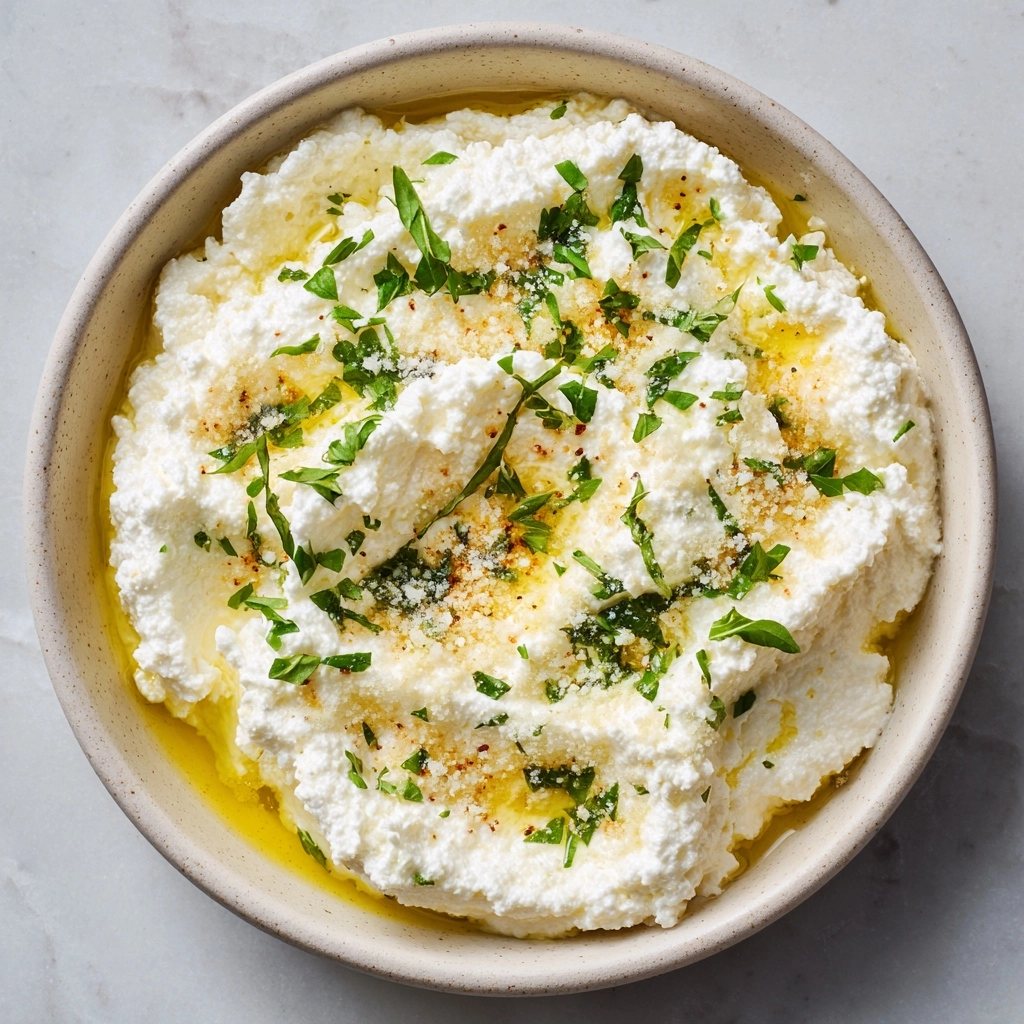
Garnishes
Ricotta’s mild flavor makes it a perfect canvas for bright, fresh accents. Try a drizzle of honey with toasted pine nuts for a sweet touch, or a sprinkle of freshly cracked black pepper and fresh herbs such as basil or oregano for savory appeal.
Side Dishes
This ricotta shines beautifully alongside crusty Italian bread, roasted vegetables, or as a creamy dollop atop rustic tomato sauces. Its richness balances both light salads and hearty grilled meats, making it versatile for any meal.
Creative Ways to Present
Think beyond the classic. Spread it generously on crostini and top with figs or jam for an elegant appetizer. Use it stuffed in fresh pasta or swirled into risotto for a silky finish. This Sicilian Homemade Ricotta Cheese Recipe also makes fabulous fillings for cannoli or fresh fruit parfaits, showcasing its sweet and savory potential.
Make Ahead and Storage
Storing Leftovers
Your homemade ricotta is best enjoyed fresh, but if you have leftovers, store them in an airtight container in the refrigerator. Consume within 3 to 4 days to preserve its delicate texture and flavor.
Freezing
Ricotta’s delicate texture doesn’t freeze particularly well, as the water content forms ice crystals that affect creaminess. It’s best to avoid freezing if you want that smooth, fresh texture intact.
Reheating
If using ricotta in cooked dishes, add it towards the end of cooking to preserve its fresh taste and creamy texture. Avoid direct, prolonged heat to prevent curdling or drying out.
FAQs
Can I use skim or low-fat milk to make ricotta?
Whole milk yields the creamiest, richest ricotta, but you can use lower-fat milk with slightly less creamy results. Adding a bit of cream can help boost the texture if you prefer lighter milk.
What can I do with the leftover whey?
Don’t toss that nutritious whey! It makes a wonderful addition to bread dough for tender crumb, soups for added protein, or even smoothies for a subtle tang and protein boost.
How do I know when the ricotta has drained enough?
Drain 30 minutes for soft, creamy ricotta perfect for spreading; for firmer cheese suitable for slicing or baking, extend draining closer to an hour.
Is lemon juice better than vinegar for curdling?
Both work well, but lemon juice offers a fresher, more natural flavor that complements the mild milk taste, making it ideal for this traditional Sicilian version of ricotta.
Can I make ricotta without cream?
Absolutely! Using only whole milk gives a classic ricotta texture with a slightly lighter profile. Adding cream enriches the cheese if you want it extra lush and velvety.
Final Thoughts
There is something truly special about making cheese from scratch, and This Sicilian Homemade Ricotta Cheese Recipe is a wonderful introduction with stunning results. With just a few simple ingredients and a little patience, you’ll have a fresh, creamy ricotta that you can proudly call your own. Give it a try and bring a touch of Sicilian warmth and tradition straight to your kitchen table!
Print
This Sicilian Homemade Ricotta Cheese Recipe
- Prep Time: 10 minutes
- Cook Time: 20 minutes
- Total Time: 30 minutes plus 30-60 minutes draining
- Yield: 2 cups ricotta
- Category: Basic Recipe, Cheese
- Method: Stovetop
- Cuisine: Sicilian, Italian
- Diet: Vegetarian, Gluten Free
Description
This Sicilian Homemade Ricotta Cheese recipe teaches you how to make fresh, creamy ricotta at home using simple ingredients. With just milk, cream, lemon juice, and salt, you can create a luscious ricotta perfect for Italian dishes or enjoying on its own. The stovetop cooking process gently heats the dairy to form delicate curds that are strained to the ideal texture, allowing customization from creamy to firm. This authentic method promises delicious results and the joy of homemade cheese.
Ingredients
Ingredients
- 8 cups whole milk
- 1 cup heavy cream
- 1 teaspoon salt
- 3 tablespoons fresh lemon juice (or white vinegar)
Instructions
- Combine and heat milk mixture: In a large heavy-bottomed pot, combine the whole milk, heavy cream, and salt. Heat over medium heat, stirring occasionally to prevent scorching, until the mixture reaches 190°F, just below boiling point.
- Add acid to form curds: Remove the pot from heat and slowly stir in the fresh lemon juice or white vinegar. Let the mixture sit undisturbed for 5 to 10 minutes to allow the curds to form and separate from the watery whey.
- Drain the curds: Line a fine-mesh strainer with cheesecloth and set it over a large bowl. Carefully ladle the curds into the strainer and let them drain for 30 to 60 minutes. The longer the draining, the firmer the ricotta will be.
- Refrigerate and store: Transfer the drained ricotta to a bowl, cover tightly, and refrigerate until ready to use. Fresh ricotta is best eaten within 3 to 4 days.
Notes
- For a richer ricotta, you can use all whole milk without adding heavy cream.
- The leftover whey is nutritious and can be used in bread doughs, soups, or smoothies to reduce waste.
- Consume fresh ricotta within 3 to 4 days for best flavor and texture.