Description
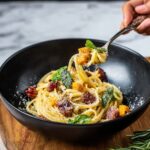
This Roasted Butternut Squash and Sage Pasta is a comforting and flavorful autumn-inspired dish featuring tender roasted butternut squash, aromatic fresh sage, and creamy Parmesan cheese all tossed together with perfectly cooked pasta. Ideal for a cozy family dinner, this easy recipe balances sweetness from the squash with herbaceous notes and a satisfying, creamy texture.
Ingredients
Scale
Vegetables and Herbs
- 1 medium butternut squash, peeled and cubed
- 2 tablespoons fresh sage, chopped
Pasta and Cheese
- 8 ounces pasta (penne or fettuccine)
- 1/2 cup grated Parmesan cheese
Oils and Seasonings
- 2 tablespoons olive oil
- Salt and pepper to taste
Optional Toppings
- 1/4 cup walnuts, toasted (optional)
Instructions
- Preheat and prepare squash: Preheat your oven to 400°F (200°C). Toss the cubed butternut squash with olive oil, salt, and pepper on a baking sheet, spreading the pieces evenly to ensure proper roasting.
- Roast the squash: Place the baking sheet in the oven and roast the squash for 25-30 minutes until it becomes tender and turns a nice golden brown, adding a delicious caramelized flavor.
- Cook the pasta: While the squash roasts, cook the pasta according to package instructions until al dente. Before draining, reserve some of the pasta cooking water to help create a smooth sauce later.
- Sauté the sage: Heat a skillet over medium heat and sauté the chopped fresh sage in olive oil for about 1 minute, until fragrant and infused into the oil.
- Combine pasta and squash: Add the roasted butternut squash and cooked pasta to the skillet with the sage-infused oil. Toss gently, adding reserved pasta water a little at a time to reach a creamy consistency that coats the pasta.
- Add Parmesan and serve: Stir in the grated Parmesan cheese until well combined, then serve the pasta hot. Optionally, sprinkle toasted walnuts on top for added texture and nutty flavor.
Notes
- For a nuttier flavor and added crunch, toast walnuts in a dry pan over medium heat until fragrant before sprinkling on the finished dish.
- Use fresh sage for the best herbal aroma; dried sage can be used but add sparingly as it is more concentrated.
- Reserve pasta water is crucial for binding the sauce and adding creaminess without extra cream.
- This recipe is easily adaptable to gluten-free pasta to accommodate dietary needs.
- Leftovers can be stored in an airtight container and reheated gently on the stovetop with a splash of water to loosen the sauce.