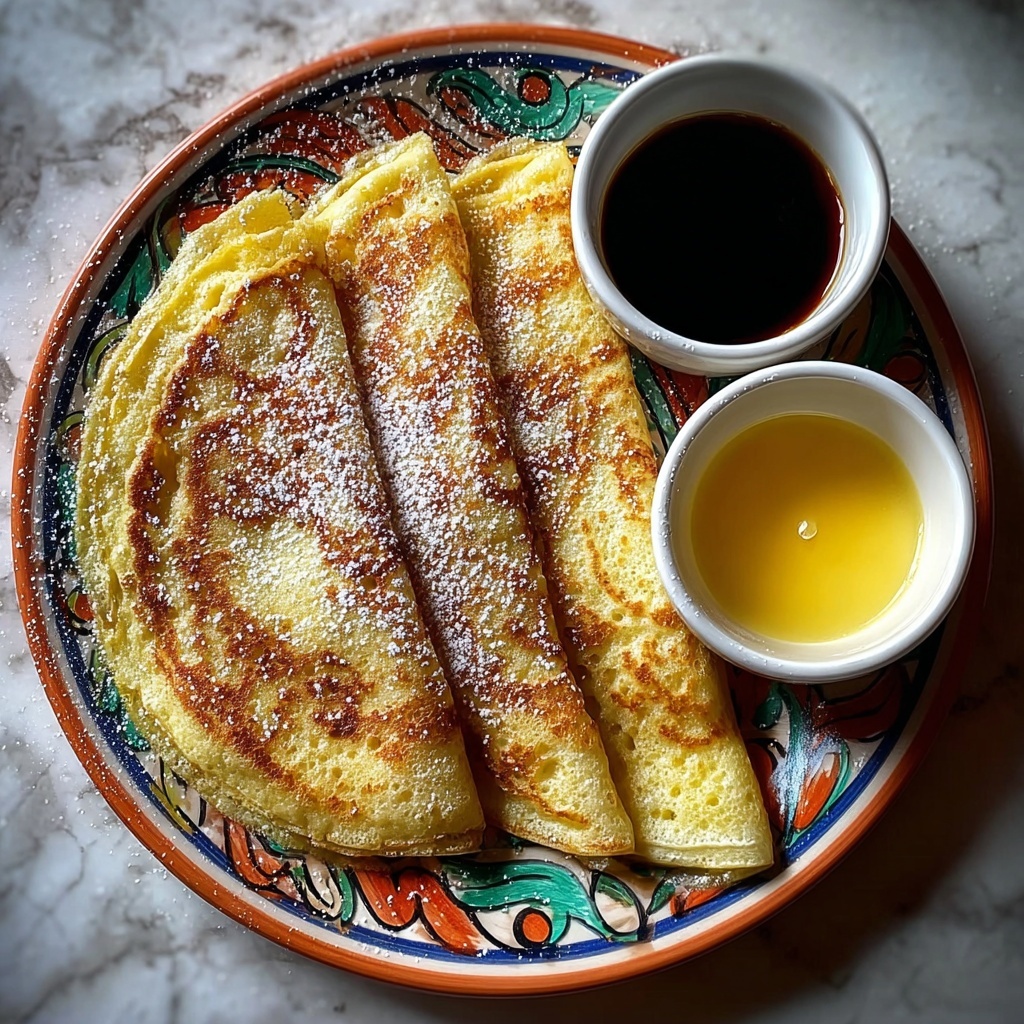
If you’ve ever wanted to dive into the warm, flaky world of North African cuisine, this Moroccan Msemen Pancake Recipe is your perfect starting point. These traditional Moroccan pancakes are delightfully layered, crisp on the outside and tender within, making each bite a comforting delight. Whether you’re enjoying them for breakfast, snack time, or a unique appetizer, this recipe brings to life the authentic textures and flavors that have been cherished for generations. Trust me, once you get the hang of it, these msemen pancakes will become a beloved staple in your kitchen.
Ingredients You’ll Need
The beauty of this Moroccan Msemen Pancake Recipe lies in its simple yet essential ingredients. Each one contributes to creating that perfect balance of crispness, softness, and irresistible flavor that defines msemen.
- 500 g all-purpose flour: The foundation of the dough, providing structure and chewiness.
- 150 g fine semolina: Adds a subtle grainy texture and helps with the crispness of the pancakes.
- 1 teaspoon salt: Balances the flavors perfectly.
- 1 teaspoon sugar: Feeds the yeast and adds a touch of sweetness.
- 2 teaspoons dry yeast: Gives the dough its lightness and slight puffiness.
- 500 ml warm water: Brings the dough together into a soft, sticky consistency.
- 100 ml vegetable oil: Ensures the dough doesn’t stick and helps achieve flaky layers.
- 100 g melted butter: For brushing and folding, creating rich, buttery layers during cooking.
How to Make Moroccan Msemen Pancake Recipe
Step 1: Mix the Dry Ingredients
Start by combining the flour, fine semolina, salt, sugar, and dry yeast in a large bowl. This step ensures the yeast is evenly distributed and your pancakes will rise beautifully. Mixing these ingredients thoroughly sets a solid foundation for your dough.
Step 2: Add Warm Water
Slowly pour warm water into the dry mix while stirring continuously. This transforms the ingredients into a soft, sticky dough, bringing your msemen pancakes closer to reality. The warm water wakes up the yeast and helps everything combine smoothly.
Step 3: Knead the Dough
Give the dough some love by kneading it for at least 10 minutes. This develops the gluten, making the dough smooth and elastic. If you prefer, an electric mixer with a dough hook works wonders here and saves some arm power.
Step 4: Let the Dough Rest
Cover your dough with a clean, damp cloth and allow it to rest for about 30 minutes. This resting period is crucial—it helps the dough to double in size and develop that light, airy texture you want in your msemen pancakes.
Step 5: Divide and Oil the Dough
Once rested, break your dough into equal portions roughly the size of small apples. Lightly coat each piece with vegetable oil to prevent sticking and smooth out each ball for an easy flattening step ahead.
Step 6: Rest the Dough Balls
Give these dough balls a quick 10-minute breather. This final rest relaxes the gluten even further so you can stretch and fold the dough with ease without any pulling back.
Step 7: Shape the Pancakes
On a generously oiled surface, gently flatten each dough ball with your hands until it forms a thin, translucent square. This delicate process is what creates those signature layers. Don’t rush it—embrace the tactile joy of the dough stretching under your fingers.
Step 8: Butter, Sprinkle, and Fold
Brush the surface with melted butter, then lightly sprinkle some fine semolina on top. Next, fold the edges inward to shape the dough into a neat square envelope. Repeat this step for all the dough balls to keep that iconic crispy layering.
Step 9: Cook Until Golden
Heat a non-stick frying pan over medium heat and lightly oil it. Cook each msemen pancake for approximately 3-4 minutes on each side until they develop a gorgeous golden brown color and a crisp exterior. The smell coming from the pan at this point is pure magic.
Step 10: Serve Warm
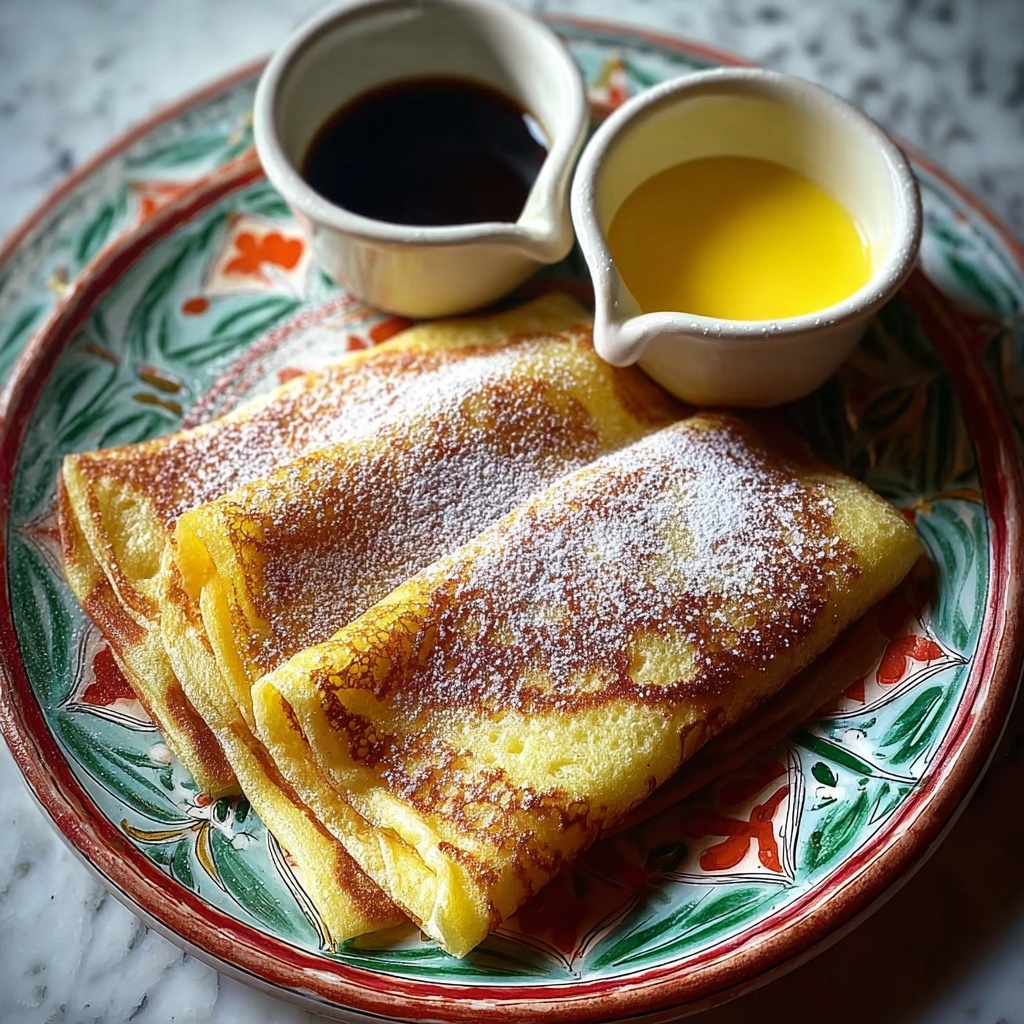
Serve your msemen pancakes while they’re warm, perfect for savoring their buttery, flaky layers. Pair them with honey, butter, or your favorite jam for a truly indulgent experience.
How to Serve Moroccan Msemen Pancake Recipe
Garnishes
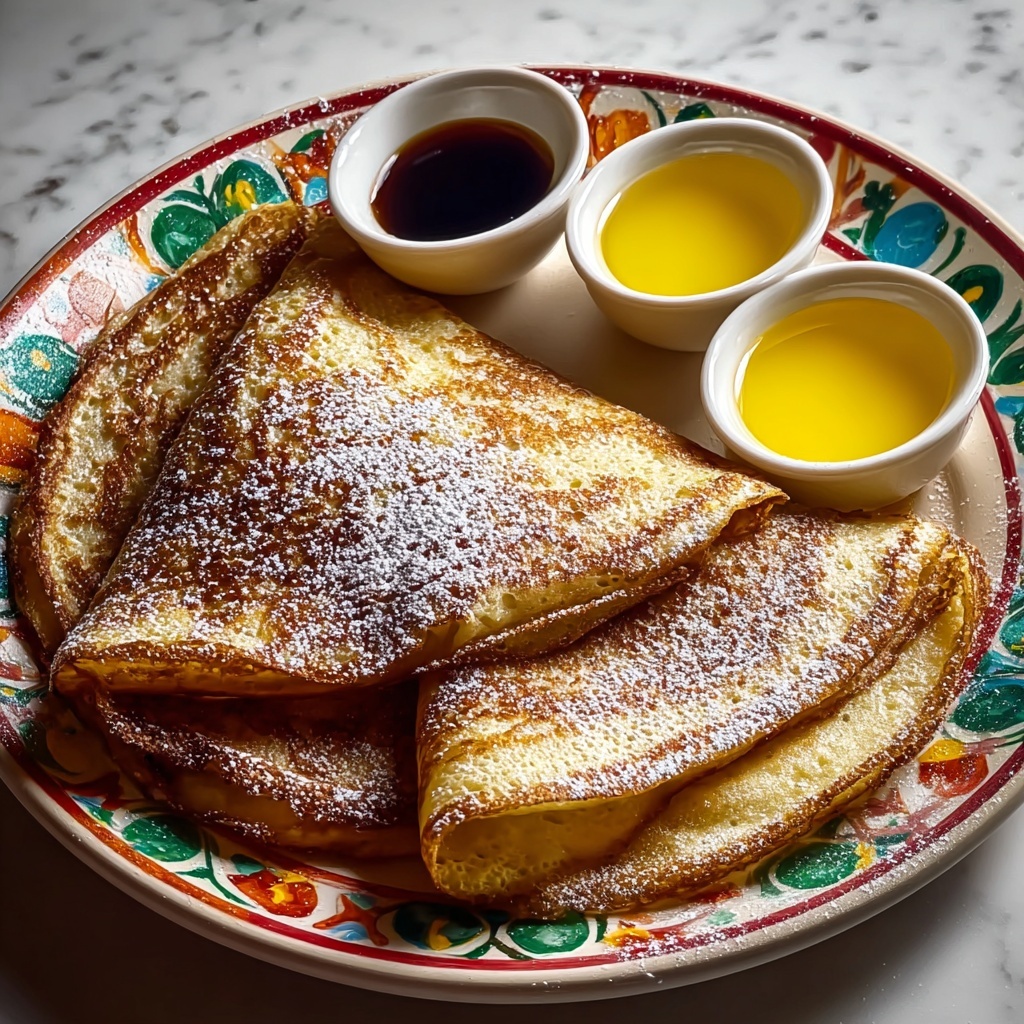
Garnishing your msemen can elevate the experience wonderfully. Fresh mint leaves, a drizzle of rich honey, or a sprinkle of powdered sugar offer a lovely contrast to the savory pancakes. Sometimes even a handful of toasted sesame seeds can add a nice nutty crunch.
Side Dishes
Traditionally, msemen is served with sweet accompaniments like honey or jams, but it also pairs beautifully with savory dips such as labneh or a spicy harissa paste. For a full Moroccan breakfast vibe, serve alongside a cup of strong mint tea.
Creative Ways to Present
Try stacking msemen pancakes layered with butter and honey between each layer for a stunning tower. Alternatively, cut them into bite-sized pieces and serve skewered with fruits or spreads for an irresistible appetizer platter at your next gathering.
Make Ahead and Storage
Storing Leftovers
If you have any msemen pancakes leftover, place them in an airtight container and store in the refrigerator for up to 2 days. To keep their texture intact, separate each pancake with a piece of parchment paper to prevent sticking.
Freezing
You can freeze msemen pancakes for longer storage. Lay them flat on a baking sheet, freeze until firm, then stack with parchment paper between each and transfer to a freezer-safe bag. They’ll keep well for up to one month.
Reheating
When you’re ready to enjoy leftovers, reheat msemen pancakes gently in a hot skillet or oven to restore their crispiness. Avoid microwaving if possible, as it tends to make them soggy. A few minutes on medium heat will bring back their delightful texture perfectly.
FAQs
Can I make Moroccan msemen pancakes without yeast?
Yeast is key to achieving the lightness and slight puffiness characteristic of msemen pancakes. Omitting it will result in a denser, less layered texture, so it’s best to follow the recipe for authentic results.
Why is semolina used in this recipe?
Semolina adds a unique grainy texture and contributes to the crispiness of the pancake exterior. It helps create those delicate layers that msemen is known for.
Can I use butter instead of vegetable oil?
While melted butter is great for folding and brushing, vegetable oil is preferred in the dough and for cooking because it allows easier handling and prevents sticking. Using butter alone might make the dough too sticky.
How thin should I stretch the dough?
A thin, translucent sheet is ideal—thin enough to see your fingers through but not so thin that it tears. This thinness is what creates the flaky, layered structure after folding and cooking.
What’s the best way to fold the msemen pancakes?
Fold the edges toward the center evenly to form a square envelope shape. This technique traps layers of butter and semolina, ensuring a flaky pancake after cooking.
Final Thoughts
There’s something incredibly satisfying about mastering the Moroccan Msemen Pancake Recipe and sharing it with those you love. Its layers, buttery crispness, and subtle flavors create a warm, inviting dish that’s perfect any time of day. Give this recipe a try—it’s sure to become a cherished favorite in your culinary repertoire!
Print
Moroccan Msemen Pancake Recipe
- Prep Time: 0h 30m
- Cook Time: 0h 30m
- Total Time: 1h 00m
- Yield: 8-10 pancakes
- Category: Breakfast
- Method: Frying
- Cuisine: Moroccan
Description
Msemen is a traditional Moroccan pancake known for its delightful crispy edges and soft, layered texture. Made with a simple dough of flour, semolina, yeast, and water, it’s carefully folded and pan-cooked to perfection. This versatile pancake pairs beautifully with honey, butter, or jam, making it a cherished breakfast or snack in Moroccan cuisine.
Ingredients
Dough Ingredients
- 500 g all-purpose flour
- 150 g fine semolina
- 1 teaspoon salt
- 1 teaspoon sugar
- 2 teaspoons dry yeast
- 500 ml warm water
For Folding and Cooking
- 100 ml vegetable oil (plus extra for folding and cooking)
- 100 g melted butter (for folding and cooking)
Instructions
- Combine dry ingredients: In a large bowl, mix together the flour, fine semolina, salt, sugar, and dry yeast until thoroughly combined.
- Add warm water: Gradually pour in the warm water while stirring continuously to form a soft, sticky dough.
- Knead the dough: Knead the dough for at least 10 minutes until it becomes smooth and elastic. Use an electric mixer with a dough hook if preferred.
- First rest: Cover the dough with a clean damp cloth and allow it to rest for about 30 minutes, or until it doubles in size.
- Divide the dough: Once rested, divide the dough into small portions roughly the size of a small apple.
- Oil and form balls: Generously coat each dough piece with vegetable oil to prevent sticking and shape them into smooth balls.
- Second rest: Let the dough balls rest for another 10 minutes to relax the gluten.
- Roll out: On a well-oiled surface, flatten each ball with your hands into thin, translucent square sheets.
- Brush and sprinkle: Brush the surface with melted butter and lightly sprinkle some fine semolina over it.
- Fold into envelopes: Fold the sides of the dough square towards the center to create a neat square envelope shape.
- Repeat process: Perform the rolling, brushing, sprinkling, and folding steps with all remaining dough balls.
- Preheat pan: Heat a non-stick frying pan over medium heat and lightly oil it to prevent sticking.
- Cook pancakes: Place each msemen into the pan and cook for about 3-4 minutes on each side until golden brown and crispy.
- Serve warm: Enjoy the msemen hot with honey, butter, or your favorite jam for a traditional Moroccan treat.
Notes
- Use warm water to activate the yeast properly for the best dough rise.
- Kneading is essential to develop gluten, giving msemen its characteristic texture.
- Be generous with oil during rolling and folding to achieve the pancake’s distinctive layers and crispiness.
- The dough should be soft but not too sticky; adjust water or flour slightly if needed.
- Cooking on medium heat ensures the msemen is cooked through without burning.
- Serve msemen fresh and warm for the best taste and texture.