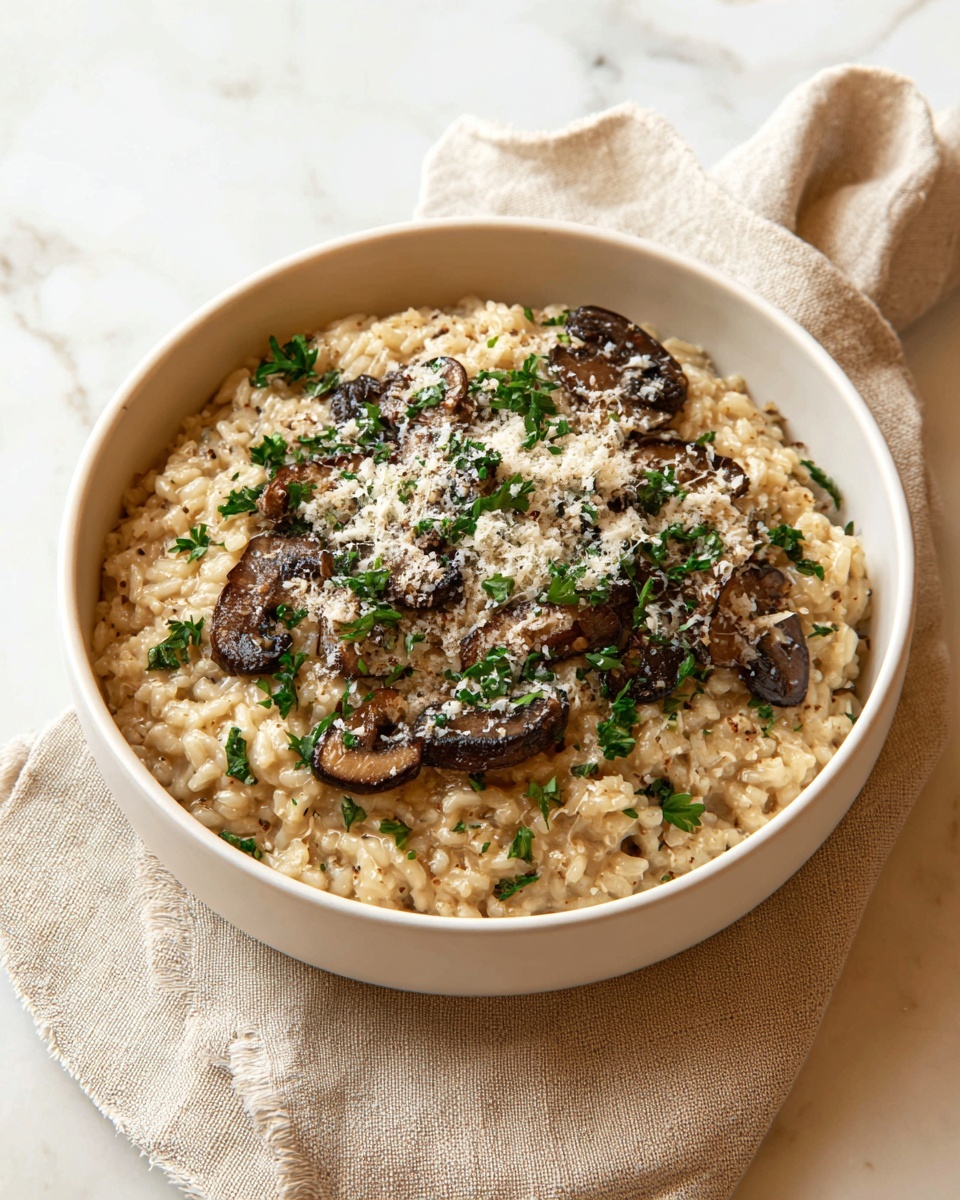
If you’ve ever dreamed of making a restaurant-quality dish right in your own kitchen, this Classic Risotto Recipe is your golden ticket. Creamy, comforting, and bursting with subtle flavors, this Italian favorite brings a touch of elegance without needing complicated techniques or a long ingredient list. Each spoonful delivers the perfect harmony of tender Arborio rice, rich Parmesan, and the gentle sweetness of sautéed onions, creating a dish that’s equally suited for a cozy weeknight dinner or a special occasion with friends. Once you master this Classic Risotto Recipe, it will quickly become a favorite in your cooking repertoire, a dish that impresses every time.
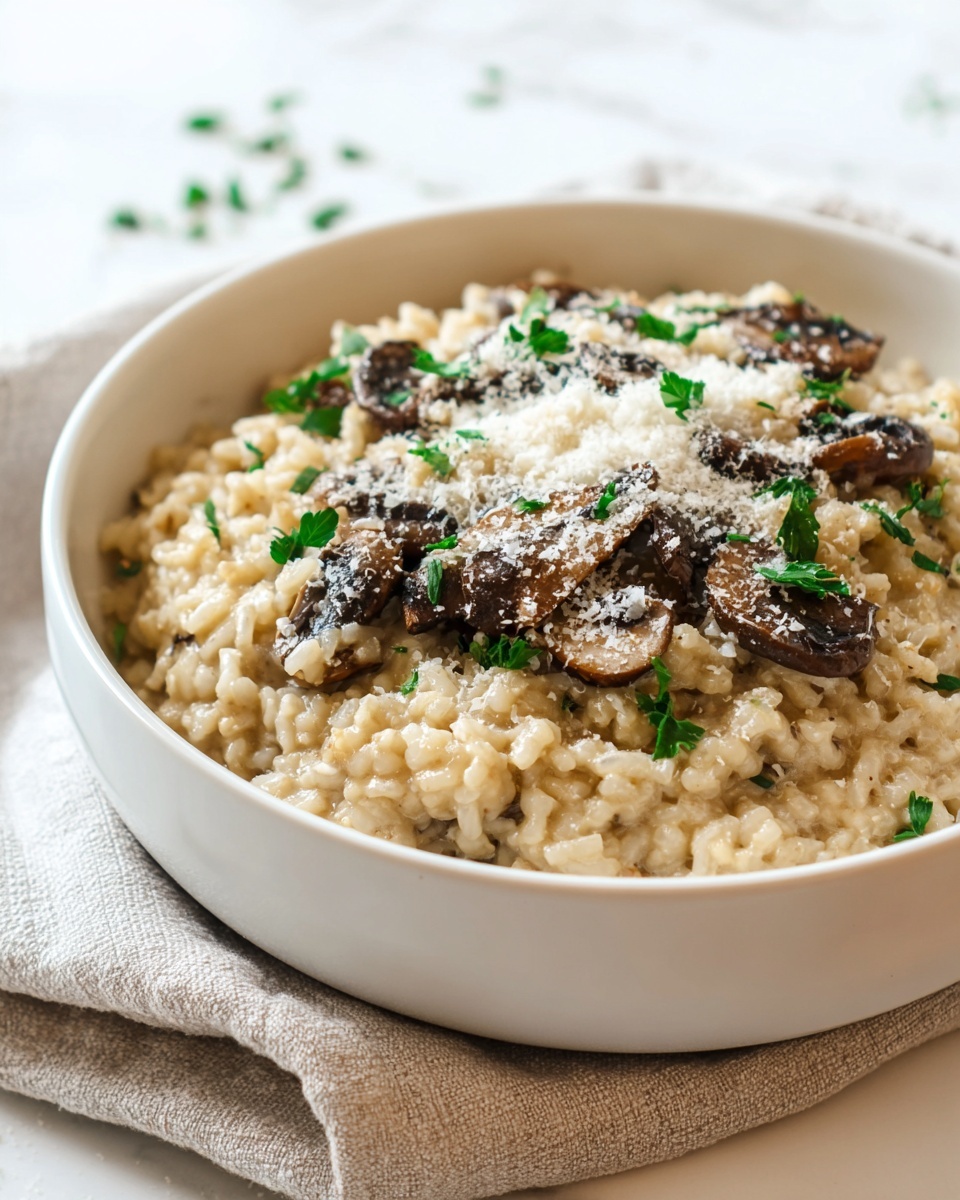
Ingredients You’ll Need
What makes this Classic Risotto Recipe truly shine is the simplicity of fresh, essential ingredients working harmoniously together. Each element plays a key role in creating the dish’s signature creamy texture, rich flavor, and inviting appearance.
- Arborio rice: Short-grain rice essential for creamy texture thanks to its high starch content.
- Low-sodium vegetable broth: Warm broth is crucial for gradually cooking the rice to perfection.
- Onion, finely chopped: Adds natural sweetness and depth of flavor that forms the risotto’s base.
- Olive oil: Used for sautéing the onions to bring out their luscious aroma.
- Unsalted butter: Adds richness and silkiness to the final dish.
- Grated Parmesan cheese: Enhances flavor with its nutty, salty profile—always freshly grated for best results.
- Salt: Essential for seasoning and balancing flavors.
- Black pepper: Adds a gentle spice and warmth.
- Fresh herbs (parsley or basil): For a pop of color and fresh herbal brightness when garnishing.
- Optional vegetables (asparagus, peas, mushrooms): Boost flavor, color, and nutrition if you want to customize your risotto.
- Optional protein (grilled chicken or shrimp): Makes the meal more filling and hearty.
How to Make Classic Risotto Recipe
Step 1: Warm the Broth
Start by gently heating your vegetable broth in a saucepan over medium heat. Keeping it warm is key because adding cold broth to the rice slows down the cooking process and affects the creamy texture we’re aiming for.
Step 2: Sauté the Onions
In a heavy-bottomed pot, heat the olive oil over medium heat and add the finely chopped onions. Cook them slowly for about 5 minutes until they’re translucent and fragrant—this step builds the flavor base that will elevate your risotto tremendously.
Step 3: Toast the Arborio Rice
Add the Arborio rice to the pot with the onions and stir it around for roughly 2 minutes. Toasting the rice lightly awakens its nutty flavor and prepares it to soak up all the broth gradually, ensuring a rich, creamy result.
Step 4: Ladle in Warm Broth Slowly
Begin adding the warm vegetable broth one ladle at a time, making sure to stir continuously. Wait until the rice absorbs each addition before adding the next. This slow, patient stirring releases the starches that give risotto its velvety consistency.
Step 5: Continue Cooking Until Creamy and Al Dente
Keep adding broth and stirring for about 18 to 20 minutes. The rice should become tender on the outside but still have a slight firmness in the center—classic al dente. The mixture should come together in a luscious, creamy texture that’s neither too thick nor too runny.
Step 6: Finish with Butter and Parmesan
Once the rice is perfectly cooked, remove the pot from heat. Stir in the unsalted butter and freshly grated Parmesan cheese until the risotto is luxuriously creamy. Don’t forget to season with salt and black pepper to taste to round out the flavors beautifully.
Step 7: Add Optional Vegetables and Proteins
If you’re using any optional extras like asparagus, peas, mushrooms, grilled chicken, or shrimp, gently fold them into the risotto now. This step adds exciting textures and flavors, making it a satisfying meal for any occasion.
Step 8: Let It Rest and Garnish
Allow the risotto to rest for a minute or two before serving — this little pause lets everything meld together perfectly. Top with fresh herbs like parsley or basil to add a burst of color and freshness that’ll make your dish irresistible.
How to Serve Classic Risotto Recipe
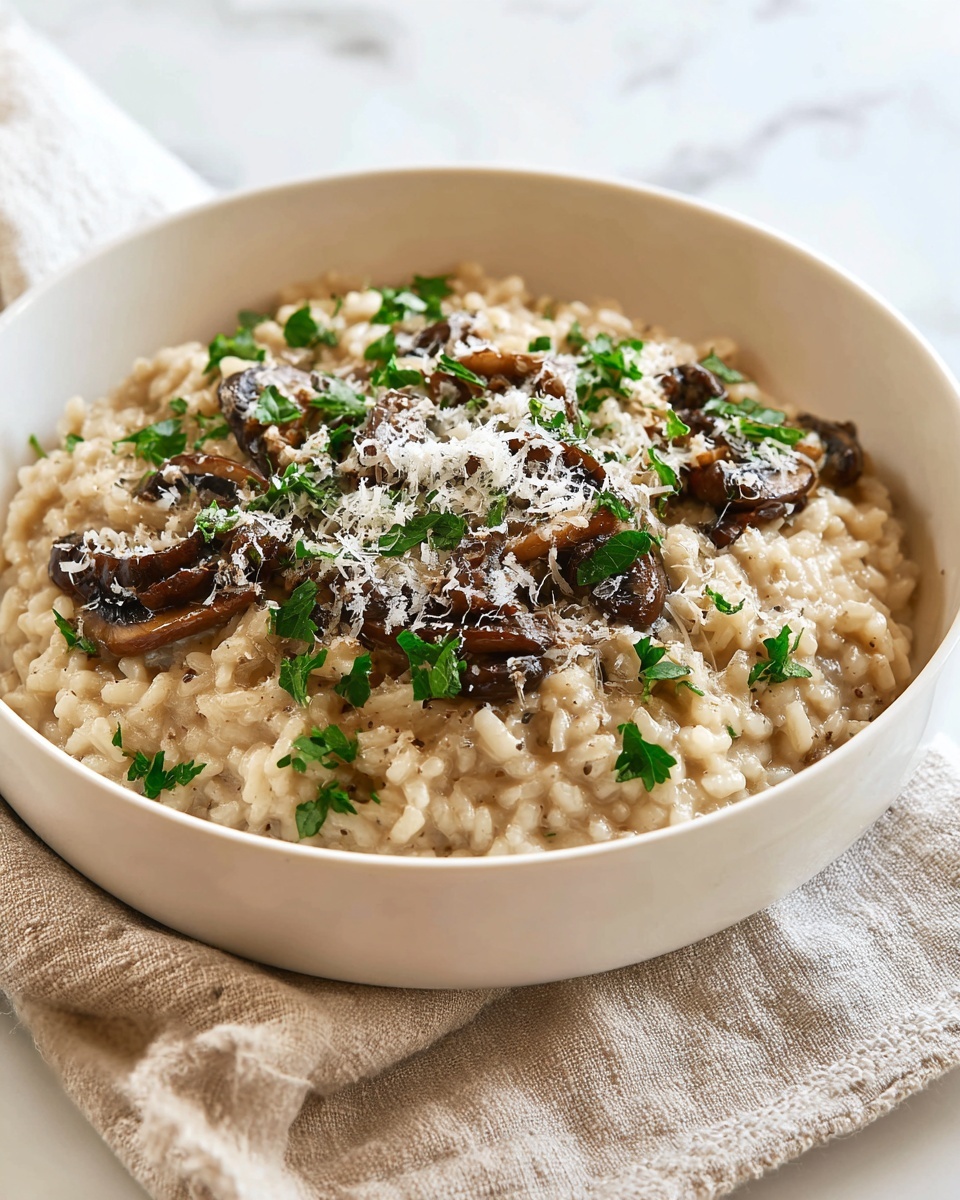
Garnishes
A sprinkle of fresh parsley or basil not only adds a vibrant pop of green but also brings a bright herbal note that balances the dish’s richness. If you like, a little extra Parmesan on top is always a delightful finish that brings a savory touch.
Side Dishes
Classic risotto is comforting enough to shine on its own, but pairing it with a crisp green salad, roasted vegetables, or crusty bread elevates the meal. These sides provide a lovely contrast in texture and freshness.
Creative Ways to Present
For a special touch, serve your risotto in beautiful shallow bowls and garnish with microgreens or edible flowers. You can also shape it into neat mounds using a ring mold for an elegant plating style that will wow your guests.
Make Ahead and Storage
Storing Leftovers
Risotto is best enjoyed fresh, but leftovers can be stored in an airtight container in the refrigerator for up to 2 days. The texture may thicken once chilled but can be revived when reheated gently.
Freezing
Freezing risotto is not ideal as it can alter the texture, making it grainy upon thawing. If you must freeze, do so within 24 hours and try to consume it within a month for the best quality.
Reheating
When reheating your Classic Risotto Recipe, do it slowly over low heat with a splash of broth or water to reintroduce creaminess. Stir frequently to avoid sticking and to restore that lovely silky texture we all love.
FAQs
Can I use a different type of rice for this Classic Risotto Recipe?
While Arborio rice is the gold standard because of its starch content, you can substitute with Carnaroli or Vialone Nano rice if available. Avoid long-grain rice as it won’t produce the creamy texture risotto is known for.
Do I have to use vegetable broth or can I use chicken broth?
You can definitely use chicken broth if you prefer a richer, more savory flavor. Just make sure it is low-sodium to control the saltiness of the dish.
Is it possible to make this risotto vegan?
Absolutely! Simply omit the butter and Parmesan, or swap them for vegan butter and nutritional yeast or vegan cheese for a deliciously creamy plant-based version.
How long does it take to cook risotto?
This Classic Risotto Recipe typically takes around 30 minutes of active cooking, but the key is to stir patiently and add the broth slowly to develop the perfect texture.
Can I prepare risotto ahead of time and reheat it later?
You can cook it ahead but risotto is best served fresh. If reheating, add a bit of liquid and heat gently, stirring well to bring back the creamy consistency.
Final Thoughts
There’s just something so rewarding about making a creamy, dreamy risotto from scratch, and this Classic Risotto Recipe hits the mark every time. It’s genuinely a joy to prepare and even more delightful to share with loved ones. So, grab your pot, gather those simple but magical ingredients, and get cooking—you’re just a few steps away from enjoying your new favorite comfort food!
Print
Classic Risotto Recipe
- Prep Time: 10 minutes
- Cook Time: 30 minutes
- Total Time: 40 minutes
- Yield: 4 servings
- Category: Main Course
- Method: Stovetop
- Cuisine: Italian
- Diet: Vegetarian
Description
This Classic Risotto recipe offers a creamy, comforting Italian dish made with Arborio rice, slow-cooked in warm vegetable broth, and finished with butter and Parmesan cheese. Ideal as a versatile base, it can be customized with fresh herbs, vegetables, or proteins like grilled chicken or shrimp to suit any occasion.
Ingredients
Main Ingredients
- 1.5 cups Arborio rice
- 4–5 cups low-sodium vegetable broth, warmed
- 1 medium onion, finely chopped
- 2 tablespoons olive oil
- 2 tablespoons unsalted butter
- 1 cup grated Parmesan cheese
- Salt, to taste
- Black pepper, to taste
Optional Ingredients
- Fresh herbs (parsley or basil) for garnish
- Vegetables (asparagus, peas, mushrooms) to add flavor and nutrition
- Protein (grilled chicken or shrimp) for a heartier meal
Instructions
- Warm the broth. Heat the vegetable broth in a saucepan over medium heat, keeping it warm throughout the cooking process to ensure the rice cooks evenly.
- Sauté the onions. In a heavy-bottomed pot, heat olive oil over medium heat. Add the finely chopped onion and sauté for about 5 minutes until translucent, developing the base flavors.
- Toast the rice. Add the Arborio rice to the pot and stir continuously for 2 minutes to lightly toast the grains, enhancing their nutty flavor.
- Add the broth gradually. Begin adding the warm broth one ladleful at a time, stirring continuously until each addition is fully absorbed before adding more.
- Cook the risotto. Continue the process of adding broth and stirring for 18 to 20 minutes, until the rice is tender but still has a slight bite (al dente) and the mixture becomes creamy.
- Finish with butter and cheese. Remove the pot from heat. Stir in the unsalted butter and grated Parmesan cheese until the risotto is rich and creamy. Season with salt and black pepper to taste.
- Add optional ingredients. If using, gently fold in any prepared vegetables or proteins such as asparagus, peas, mushrooms, grilled chicken, or shrimp.
- Rest and serve. Let the risotto rest for a minute to thicken slightly. Serve garnished with fresh herbs like parsley or basil for a burst of color and freshness.
Notes
- Use warm broth to ensure the rice cooks evenly and absorbs liquid smoothly.
- Do not rush adding the broth; gradual absorption is key to the creamy texture.
- Feel free to customize with your favorite vegetables or proteins for variety.
- If you prefer richer risotto, add an extra tablespoon of butter or Parmesan at the end.
- Stirring constantly is important to release the rice’s starches and create creaminess.
- Leftover risotto can be refrigerated and reheated with a splash of broth to restore creaminess.