
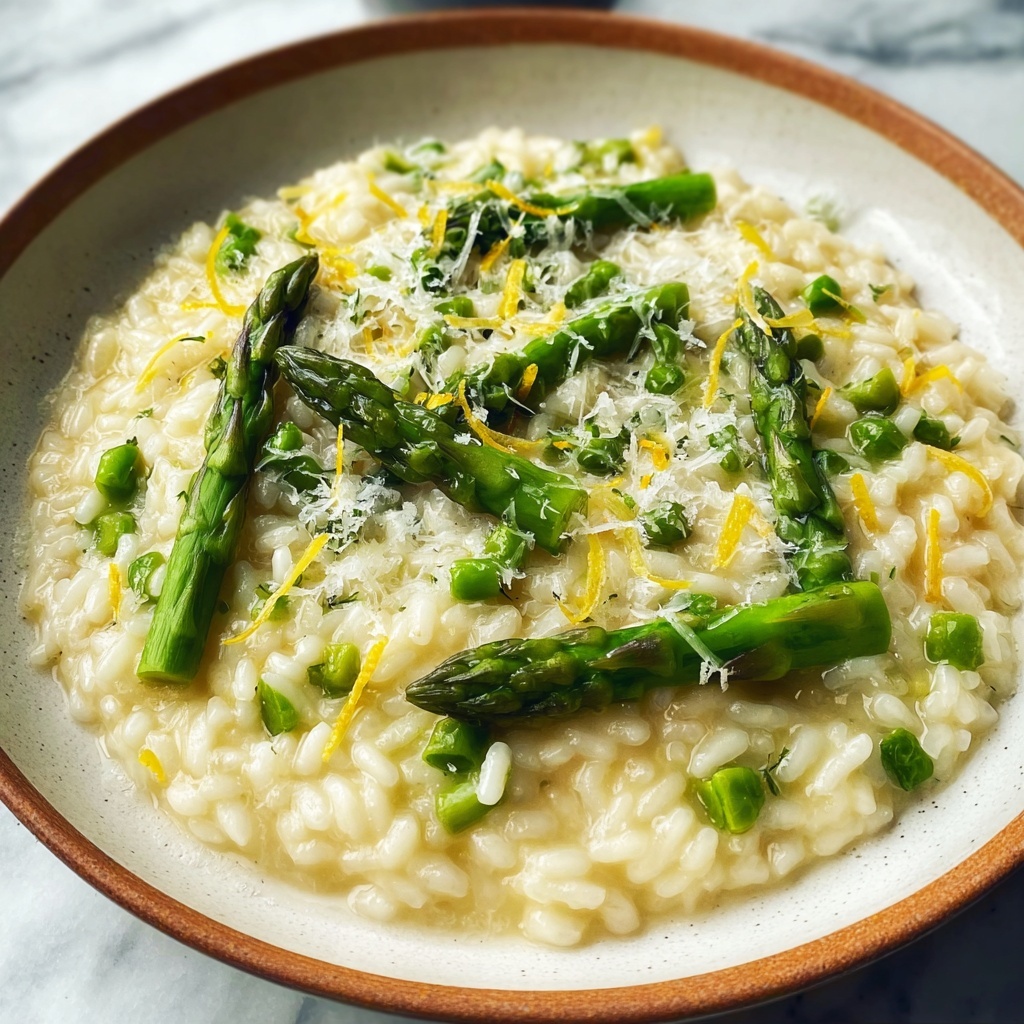
If you’re on the hunt for a dish that’s both comforting and bursting with fresh spring vibes, you’re in for a treat with Asparagus Risotto: 7 Reasons to Love This Comfort Dish Recipe. This creamy, dreamy risotto brings together tender asparagus, rich Parmesan, and bright lemon juice in a way that feels indulgent yet wholesome. Perfect for a cozy dinner or impressing guests with minimal fuss, this recipe turns simple ingredients into a bowl of soul-satisfying magic you’ll want to come back to again and again.
Ingredients You’ll Need
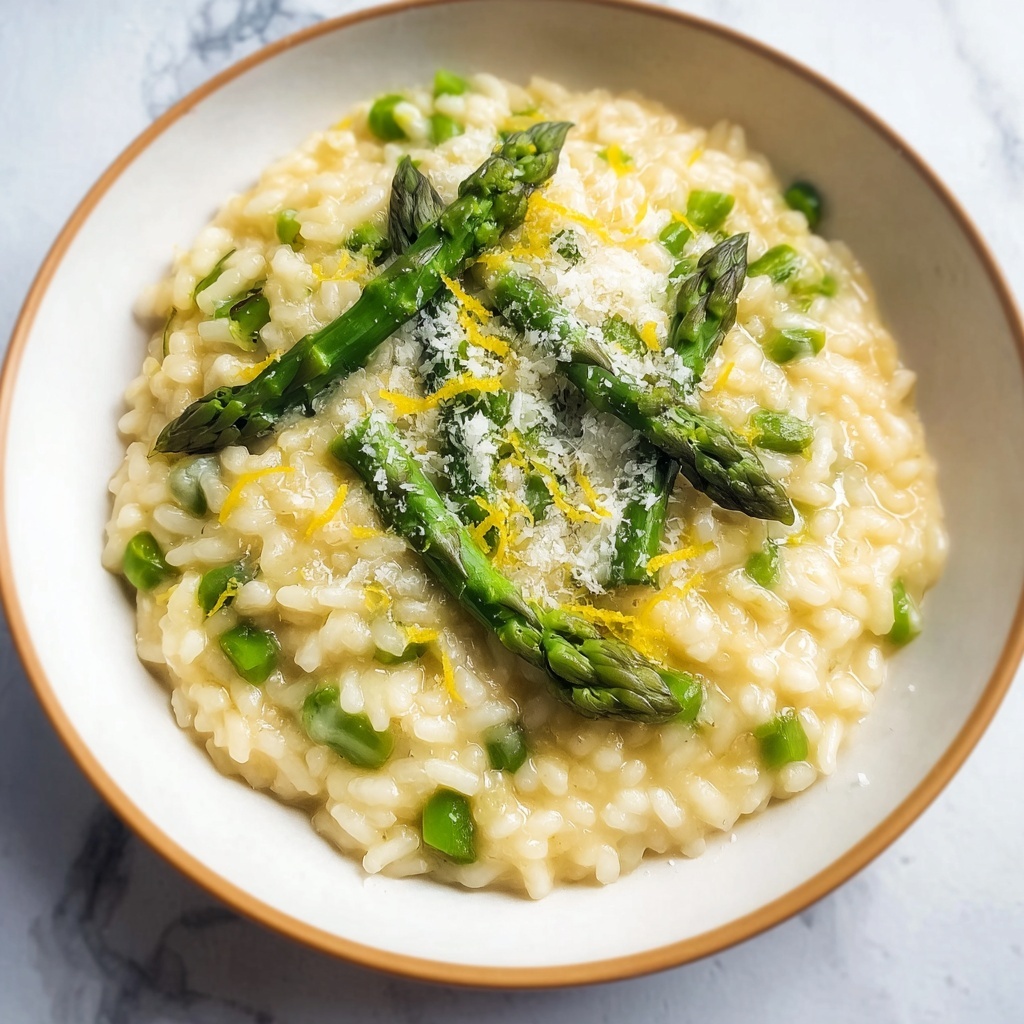
Don’t let the simplicity of the ingredients fool you. Each one plays a crucial role, bringing layers of flavor, texture, and that gorgeous green pop from fresh asparagus that make this dish stand out.
- Arborio rice: The star of any risotto, its starchy texture creates that signature creamy consistency without needing cream.
- Vegetable broth: Used warm to slowly cook the rice, adding savory depth with each ladle.
- Asparagus, chopped: Adds fresh, crisp bites and a gentle earthiness.
- Onion, finely chopped: Builds a sweet, aromatic foundation for the risotto.
- Garlic, minced: Gives a subtle punch that complements the asparagus perfectly.
- White wine: Brings a delicate acidity that balances richness beautifully.
- Grated Parmesan cheese: Melts into the risotto for a creamy, umami-packed finish.
- Lemon juice: Brightens the dish with a fresh, zesty note.
- Olive oil: Used for sautéing to infuse the base with fruity richness.
- Salt: Enhances all the flavors harmoniously.
- Pepper: Adds a touch of warmth and spice to round things out.
How to Make Asparagus Risotto: 7 Reasons to Love This Comfort Dish Recipe
Step 1: Warm the Broth
Start by gently heating your vegetable broth in a pot and keeping it warm. This little step is essential because adding cold broth to the rice slows down the cooking process and interrupts that lovely creamy texture you’re aiming for.
Step 2: Sauté Aromatics
Heat olive oil in a pan over medium heat, then add the finely chopped onion and minced garlic. Cook them gently until they’re translucent and soft, allowing their sweet and fragrant flavors to develop as the perfect base for your risotto.
Step 3: Toast the Rice
Add the Arborio rice to your onion and garlic mixture, stirring for about 2 minutes. This toasting step coats each grain with oil and flavors, and it helps the rice hold its shape during cooking, creating that iconic al dente bite.
Step 4: Deglaze with White Wine
Pour in the white wine and stir continuously until it’s fully absorbed. The wine adds a beautiful tartness that balances the creamy richness that’s coming; plus, it releases any tasty bits stuck to the pan, packing more flavor into your risotto.
Step 5: Add Broth Slowly
Now, the magic of risotto happens. Add warm broth one ladle at a time, stirring constantly and allowing the rice to soak up the liquid slowly. This gradual absorption releases the rice’s starch, resulting in a luxuriously creamy texture that makes this comfort dish so irresistible.
Step 6: Incorporate Asparagus
After about 15 minutes of cooking and stirring, gently fold in the chopped asparagus. The timing here is key — it keeps the asparagus tender but still bright and crisp, which adds a fresh vegetable crunch amid the creamy rice.
Step 7: Finish with Lemon and Parmesan
Once the risotto is creamy and the rice is perfectly al dente, stir in the lemon juice and grated Parmesan cheese. This final touch adds tangy brightness and savory depth, giving your risotto its signature flavor that’s tough to forget. Season with salt and pepper to taste and serve warm for a truly comforting experience.
How to Serve Asparagus Risotto: 7 Reasons to Love This Comfort Dish Recipe
Garnishes
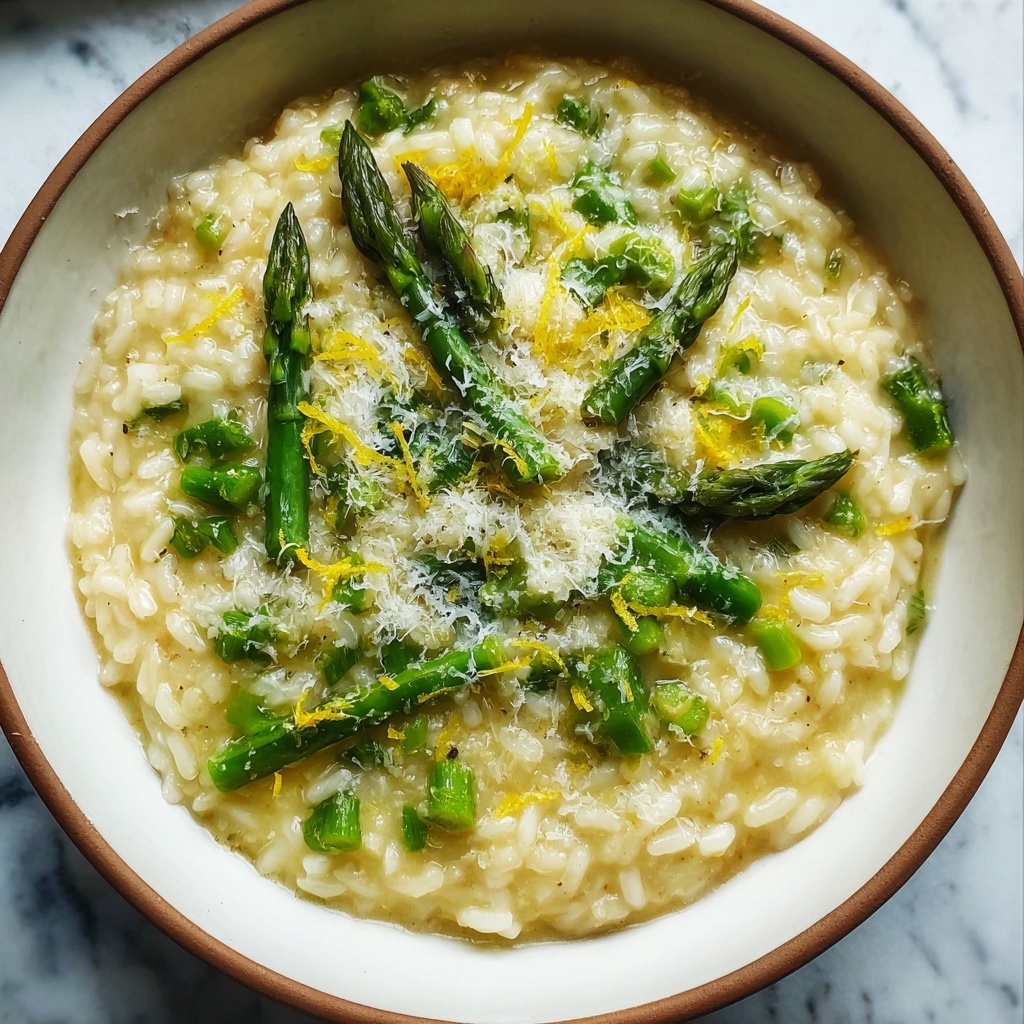
Sprinkle a handful of fresh chopped parsley or basil on top to add a pop of color and aroma. A drizzle of high-quality olive oil or a few shavings of extra Parmesan can elevate the dish visually and flavor-wise, making every bite even more delightful.
Side Dishes
If you want to round out the meal, a crisp green salad with a light vinaigrette works beautifully. The acidity and crunch provide a great contrast to the silky texture of the risotto. Roasted chicken or grilled fish are also excellent protein companions that keep the meal balanced without overpowering the delicate flavors.
Creative Ways to Present
For an elegant twist, serve the risotto in warm shallow bowls or even individual mini cast iron skillets for a rustic yet charming presentation. Adding a lemon wedge on the side invites diners to freshen up the flavors at the table, making it interactive and fun.
Make Ahead and Storage
Storing Leftovers
Asparagus risotto is best enjoyed fresh, but leftovers can be stored in an airtight container in the refrigerator for up to 2 days. The texture will be denser, so it’s a great candidate for transformation into something new.
Freezing
Freezing risotto is possible, but keep in mind that the texture might change upon thawing, becoming less creamy. If you decide to freeze it, portion it into freezer-safe containers and consume within 1 month for the best taste experience.
Reheating
To reheat, gently warm your risotto in a skillet over low heat, stirring frequently and adding a splash of broth or water to loosen the rice and revive its creamy texture. Avoid microwaves if possible, as they can dry out the dish.
FAQs
Can I use a different type of rice for this risotto?
While Arborio rice is preferred due to its high starch content that creates creaminess, you can experiment with Carnaroli or Vialone Nano, which are other risotto rice varieties. Avoid regular long-grain rice as it won’t yield the same texture.
Is white wine necessary in this recipe?
White wine adds a nice acidic balance and depth to the risotto’s flavor, but if you prefer not to use alcohol, you can substitute with an equal amount of extra broth and a teaspoon of lemon juice to mimic the brightness.
How do I know when the risotto is done?
The risotto should be creamy and the rice grains tender yet still have a slight firmness in the center, known as al dente. This usually takes around 18 to 20 minutes of gradual broth absorption.
Can I make this recipe vegan?
Yes! Simply swap the Parmesan with a vegan cheese alternative or nutritional yeast and ensure your broth is vegetable-based. The risotto will still be rich and flavorful.
What if I don’t have fresh asparagus?
Frozen asparagus can be used as a substitute. Just add it a bit earlier in the cooking process to ensure it cooks through properly and doesn’t dilute the texture.
Final Thoughts
There’s something truly special about Asparagus Risotto: 7 Reasons to Love This Comfort Dish Recipe that keeps me coming back for more. It’s a dish that feels like a warm hug after a long day yet bright and fresh enough to celebrate seasonal produce. Give it a try—you might just discover your new favorite comfort meal that feels lovingly homemade every time.
Print
Asparagus Risotto: 7 Reasons to Love This Comfort Dish Recipe
- Prep Time: 10 minutes
- Cook Time: 25 minutes
- Total Time: 35 minutes
- Yield: 4 servings
- Category: Main Course
- Method: Stovetop
- Cuisine: Italian
- Diet: Vegetarian
Description
This creamy and comforting Asparagus Risotto is a delightful vegetarian dish that combines tender Arborio rice with fresh asparagus, Parmesan cheese, and a touch of lemon. Perfect for a cozy dinner, it’s flavorful, easy to prepare, and packed with comforting textures that make it a beloved classic.
Ingredients
Vegetables and Aromatics
- 1 cup asparagus, chopped
- 1 small onion, finely chopped
- 2 cloves garlic, minced
Rice and Liquids
- 1 cup Arborio rice
- 4 cups vegetable broth
- 1/2 cup white wine
- 2 tablespoons lemon juice
Dairy and Oils
- 1/2 cup grated Parmesan cheese
- 1 tablespoon olive oil
Seasonings
- Salt to taste
- Pepper to taste
Instructions
- Warm the broth: Heat the vegetable broth in a pot over low heat and keep it warm throughout the cooking process to ensure a smooth risotto cooking experience.
- Sauté aromatics: In a separate pan, heat olive oil over medium heat. Add finely chopped onion and minced garlic, sautéing until the onion is translucent and fragrant, about 3-4 minutes.
- Toast the rice: Add Arborio rice to the pan, stirring continuously for about 2 minutes to lightly toast the grains and coat them with the olive oil and aromatics.
- Deglaze with wine: Pour in the white wine and stir until it is fully absorbed by the rice, adding a depth of flavor to the dish.
- Add broth gradually: Begin adding the warm vegetable broth one ladle at a time, stirring constantly. Wait for each addition to be mostly absorbed before adding the next, which helps release the rice’s starch and create a creamy texture.
- Incorporate asparagus: After about 15 minutes of cooking and stirring, add the chopped asparagus to the risotto so it can cook through and stay tender-crisp.
- Continue cooking risotto: Keep adding broth a ladle at a time, stirring frequently, until the rice is creamy and cooked to al dente—this should take about 20-25 minutes total.
- Finish the risotto: Stir in the lemon juice and grated Parmesan cheese, mixing well to combine and enhance the flavor with a bright and cheesy finish.
- Season and serve: Season the risotto with salt and pepper to taste, then serve warm immediately for the best texture and flavor.
Notes
- Use warm broth to maintain the cooking temperature and aid in even rice cooking.
- Stirring constantly helps to release the rice’s starch for a creamy consistency.
- Adjust salt carefully, as Parmesan cheese adds saltiness.
- For a vegan version, substitute Parmesan with a plant-based cheese alternative.
- Asparagus can be replaced with other vegetables like peas or mushrooms for variation.